Column:News Release time:2025-08-12 Number of readers:345
In the rapidly evolving landscape of technology, the importance of reliable components cannot be overstated.At Dewo Electronics, we know that even the smallest parts—like the humble microswitch—can make the biggest difference.
From the reassuring “click” when your washing machine door locks to the precise positioning of robotic arms on a production line, microswitches ensure accuracy, safety, and reliability in countless devices.
In this article, we’ll explore:
What microswitches are and how they work in low-voltage equipment
Why they’re essential to safety, precision, and performance
Real-world applications in everyday and industrial devices
Design and construction insights from an engineering perspective
Maintenance tips to keep them performing at their best
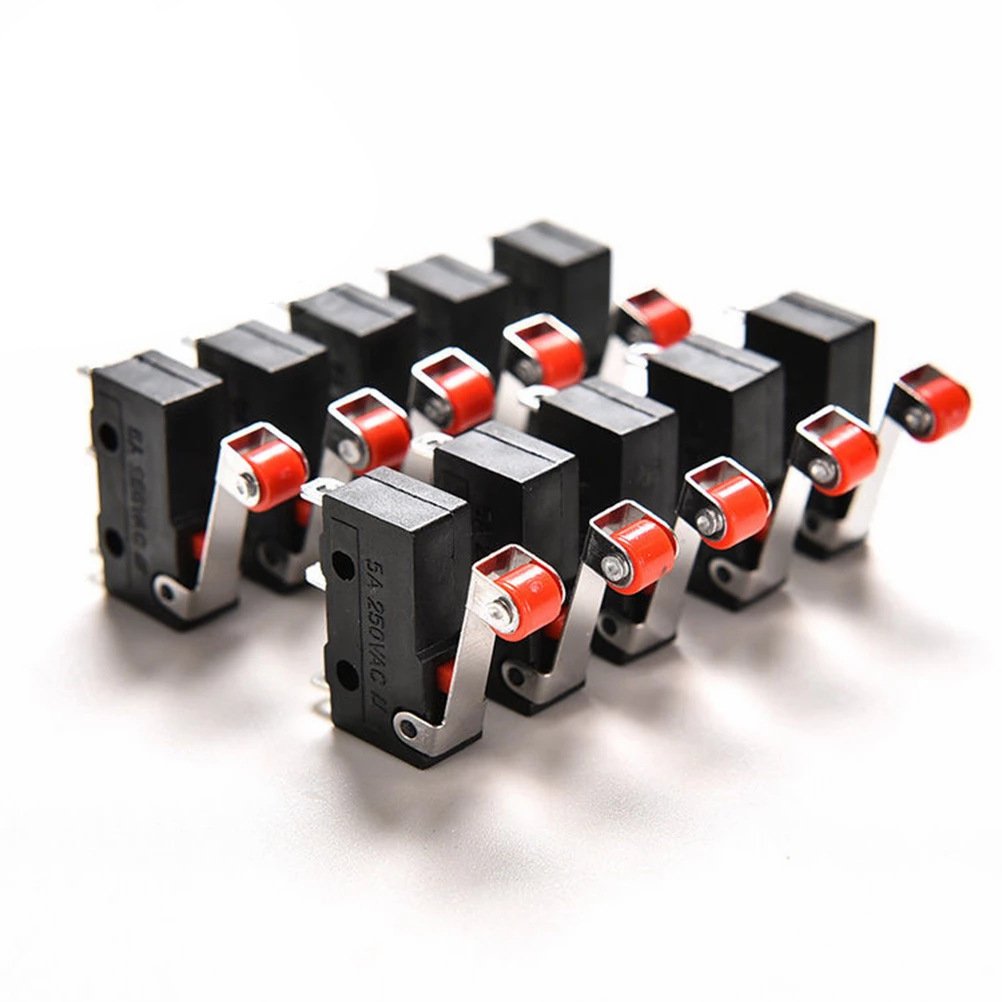
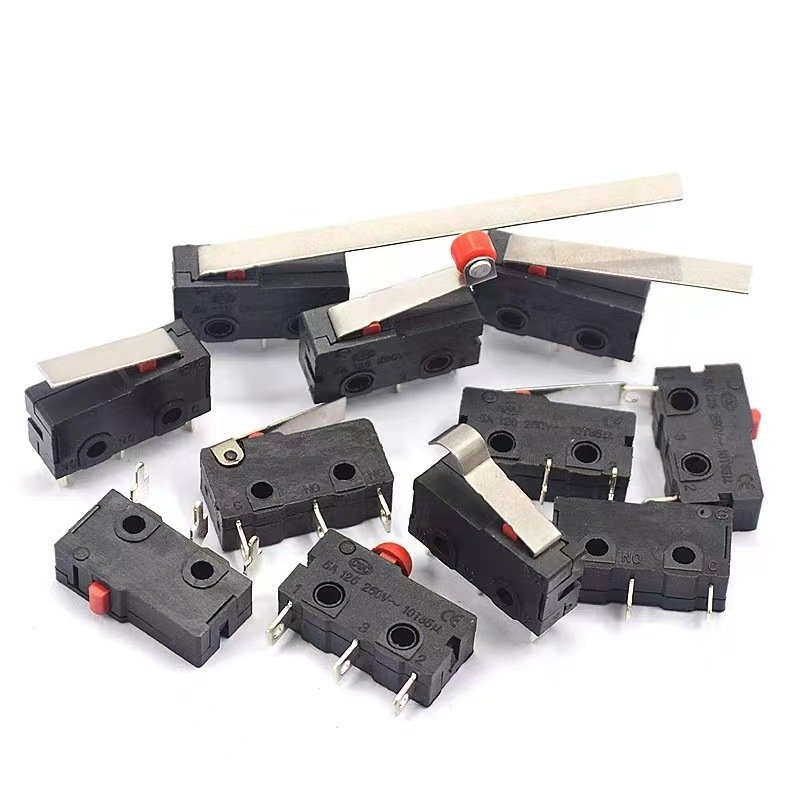
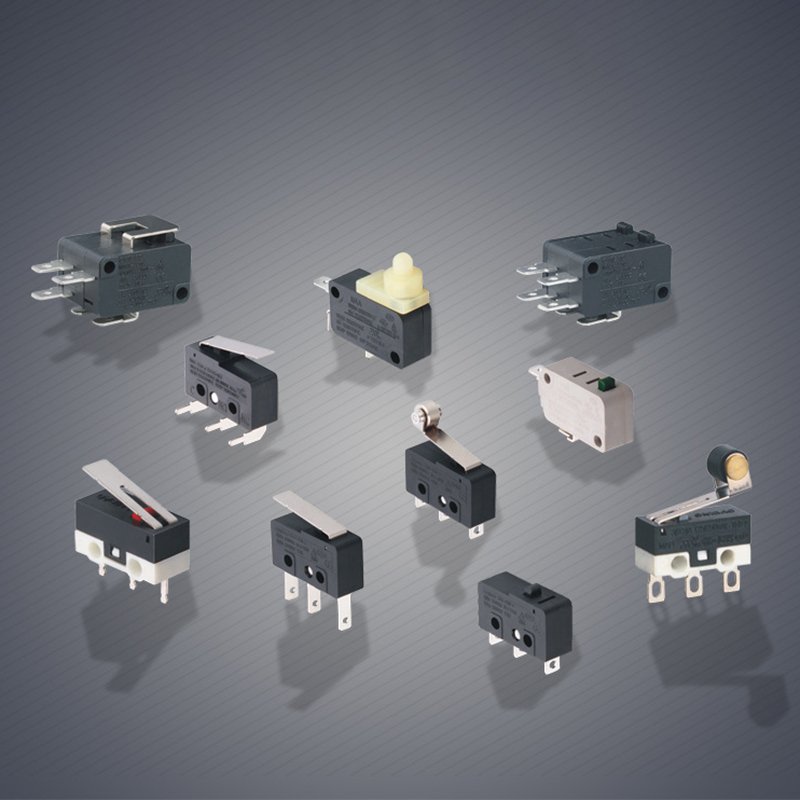
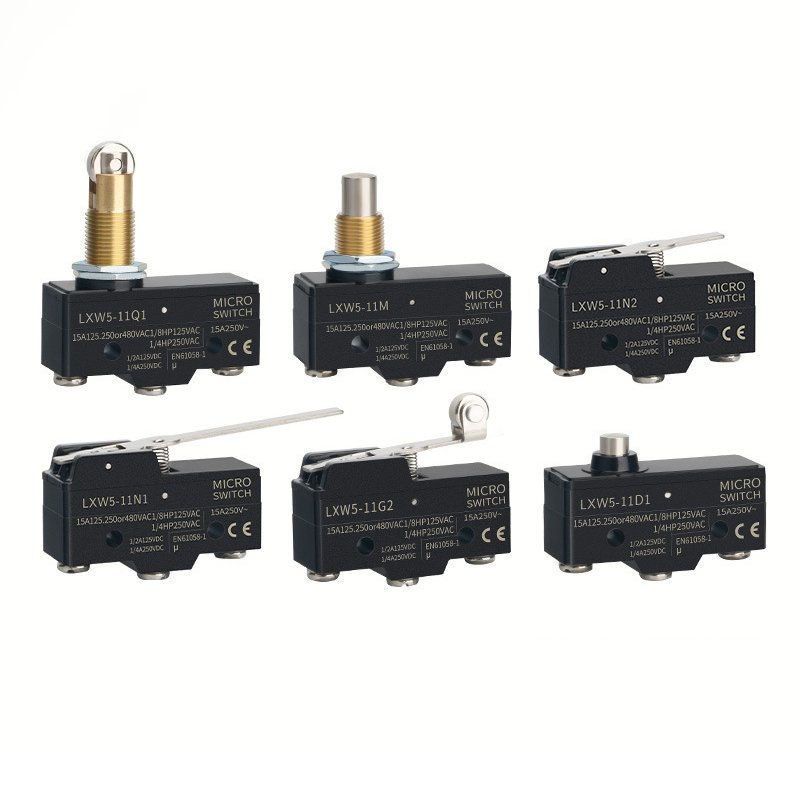
A microswitch is a compact, quick-action electrical switch designed to open or close a circuit in response to minimal physical force.
Its magic lies in its precision and repeatability—when actuated, the switch mechanism changes state instantly, giving a crisp and reliable electrical signal every time.
Everyday example: The “click” when you close your microwave door isn’t just for satisfaction—it’s a microswitch confirming the door is sealed before cooking begins.
Low-voltage devices—those operating typically below 50 volts—are everywhere. In these compact, efficiency-driven environments, microswitches shine because they offer:
Snap-action mechanism for instant signal change
Crucial in timing-sensitive applications like smart home systems or automated assembly lines
Fits into tight spaces without compromising performance
Enables sleeker product designs for consumer electronics and medical devices
Can endure millions of cycles without failure
Reduces downtime in 24/7 industrial environments
Affordable to produce, install, and maintain
Minimizes replacement costs over a product’s lifetime
Microswitches quietly power the functions of an incredible range of devices:
Home Appliances:
Washing machines, dishwashers, and microwaves use them for door locks, cycle starts, and safety cut-offs.
Example: That “door locked” light on your washer? Triggered by a microswitch.
Consumer Electronics:
Gaming controllers, remote controls, and cameras rely on microswitches for tactile, responsive inputs.
Automotive Systems:
Seatbelt alarms, power windows, and trunk latches use microswitches for position detection and safety interlocks.
Industrial Machinery:
Conveyor belt stops, robotic arm positioning, and safety guard detection all depend on microswitch accuracy.
Medical Equipment:
Infusion pumps and diagnostic machines use them to ensure correct component placement before operation.
When it comes to low-voltage equipment, safety is never optional—and microswitches deliver it in multiple ways:
Automatic Shut-off: Cuts power if unsafe conditions are detected
Example: A coffee maker stops heating if the lid is opened mid-brew.
Interlock Systems: Prevents machinery from starting without guards in place
Emergency Stop Functions: Immediate halting of conveyor belts or motors during emergencies
Position Detection: Confirms doors or covers are closed before activation
Overcurrent Protection: Disconnects circuits before damage occurs
User Protection: Even low voltages can cause harm—shock, burns, or mechanical injury
Regulatory Compliance: Meets IEC, UL, and industry safety standards
Operational Reliability: Reduces unexpected breakdowns
Brand Reputation: Safety-first design builds customer trust
A microswitch’s performance is only as good as its design. At Dewo Electronics, we engineer with precision, materials science, and manufacturing discipline.
Housing: Durable thermoplastics for insulation or metal for high-stress environments
Contacts: Silver for conductivity and corrosion resistance; gold for low-signal precision
Springs: High-carbon or stainless steel for consistent snap-action
Actuators: Levers, plungers, or rollers, tailored to the application
Sealing: Rubber or silicone gaskets for dust, water, and chemical resistance
Requirement Analysis: Define voltage, current, environment, and safety needs
Prototyping: Use rapid prototyping for quick iteration and validation
Testing & Validation: Electrical, mechanical, and environmental stress testing
Manufacturing: Automated assembly for precision at scale
Compliance: Successfully passed UL, TUV, ENEC, CQC, and CB certifications.(IncludingISO9001, ISO14001, IATF16949)
While microswitches are designed for long service life, preventive care extends performance:
Regular Inspection: Check for debris, corrosion, or wear
Proper Cleaning: Use non-conductive contact cleaners—avoid water
Correct Installation: Prevent over-travel or misalignment of actuators
Replacement at Signs of Wear: Don’t wait for total failure in critical applications
From the moment you hear a “click” in your household appliance to the split-second positioning of industrial machinery, microswitches quietly keep the world running safely and efficiently.
At Dewo Electronics, our commitment is to design and manufacture microswitches that not only meet technical demands but empower innovation—making low-voltage equipment safer, smarter, and more reliable. If you happen to have any switch requirements or would like to know more about the data sheet, please contact us.